A related issue is the consumption of substances or presentation with substance intoxication when the patient intends to kill themself. This may be a presenting feature in patients with when does the process of intoxication begin? overdose of opioids or sedative-hypnotics. Sometimes, patients may also consume large amounts of alcohol when they have an intent to die.
How does alcohol affect the brain and nervous system during intoxication?

Physiological changes in pregnancy often lead to unpredictable variations in the pharmacokinetics of drugs, making most medications and psychoactive substances risky. Despite this knowledge, global prevalence of substance use among pregnant women is about 6%, maximal among young pregnant women (18.3% among pregnant women aged 15–17 years). Pregnant women with intoxication present a challenging situation for the emergency department, as both the mother and the fetus are in need of medical attention, and medications need to be used with great caution. General considerations for management of an intoxicated pregnant woman in the emergency setting are presented in Table 7.
Partial Hospitalization Programs (PHPs)
It usually presents in those who have never tried cannabis before and experience severe psychiatric or medical manifestation of cannabis consumption. Sometimes, regular cannabis users may also experience symptoms and signs of cannabis intoxication when they are introduced to a cannabis product of higher potency. The first priority is airway protection and maintenance of breathing as respiratory depression due to alcohol intoxication may result in death. Alcohol acts as a diuretic; thus, patients with signs of dehydration (dry lips and mucosae and poor urine output) may be provided with intravenous fluids. Checking glucose is important, as many individuals with alcohol use disorder may have depleted glycogen stores. Personal drinking rate also influences how strictly this rule applies, as consuming multiple drinks in a short period causes BAC to rise faster than the body process, leading to prolonged intoxication.
Stage 4: Confusion
- As alcohol is consumed, it binds to receptors in the brain, disrupting the normal functioning of neurotransmitters such as gamma-aminobutyric acid (GABA) and glutamate.
- It reaches your brain in about five minutes and in about 10 minutes it changes the way your brain processes information.
- At this stage, with a BAC of 0.35% to 0.45%, immediate emergency medical attention is absolutely vital.
- Alcohol consumption is deeply ingrained in many societies, with statistics from the NSDUH indicating that a significant majority of Americans aged 18 and older drink.
- If you’re drinking too much or have reached the later stages of intoxication, you should get help as soon as possible.
What people may experience at different BAC levels can vary but here are some key points to know about the different stages of intoxication. Getting professional medical help is necessary in situations of extreme alcohol marijuana addiction intoxication. That’s because paramedics, physicians, and other medical staff can administer certain treatments to help mitigate the effects of intoxication.
Alcohol Intoxication: Side Effects, Symptoms, & Treatment
- In the case of alcohol, intoxication can lead to alcohol poisoning, increase the risk of vehicle accidents, and can increase a person’s risk for conditions such as cancer and cardiovascular problems.
- Deliberate overdose with an intent to self-harm may also be a possibility that cannot be ignored.
- Patients may experience elevated blood pressure, tachycardia, and pupillary dilatation.
- Clinical assessment and laboratory investigations, as necessary, should be used to include or rule out other conditions.
Rule out other causes of acute respiratory depression like head injury, encephalitis, hypoglycemia, hypernatremia, systemic infection, respiratory tract infection, acute cardiac event, and stroke. The clinical features of benzodiazepine intoxication are dose-dependent and wear off spontaneously with small doses of shorter acting agents. One has to be cautious about urine false positives for cannabis due to efavirenz and non-steroidal anti-inflammatory drugs (NSAIDS) such as ibuprofen and naproxen.
When Does No Tax on Overtime Start? Everything You Need to Know in 2025
Additionally, alcohol can impair the functioning of the cerebellum, which is responsible for coordinating movement and balance, leading to clumsiness, stumbling, and other motor impairments. The rate at which the liver can metabolize alcohol is relatively constant, regardless of the amount consumed, which is why drinking more alcohol than the body can process leads to intoxication. It’s important to know the seven stages of intoxication to understand the seriousness of heavy alcohol use and the devastating consequences that may result.
The body’s ability to feel pain is also significantly dulled, placing the individual at an increased risk for life-threatening injuries, as they may not perceive harm or distress. Treatment of hallucinogen intoxication is symptomatic.18 The effects generally wear off within a day or so. Management relies on placing the patient in a quiet room with minimal stimulation. If the patient is amenable to oral medications, then these can be used, or else injectable medications can be resorted to. Rarely, injectable antipsychotics and physical restraints would need to be used for such patients.
DMV Alcohol & Drugs Quiz
After resolution of the intoxication, the patient should be counseled and advised to seek treatment if hallucinogen-related disorders are identified. Management of cannabis intoxication in the emergency setting can be initiated with placing the patient in a dimly lit space, reassuring them, and decreasing stimulation. The patient may be given benzodiazepine orally if the patient is accepting the medication orally. High-ABV spirits, such as overproof rum or cask-strength whiskey, contain 50% or higher alcohol, concentrating intoxication effects when does the process of intoxication begin? Craft beers have higher ABV than standard beers, with some requiring longer processing times. Higher ABV craft beers extend beyond the one-hour-per-drink guideline, as the body requires additional time for increased alcohol content.
Assessment of alcohol intoxication
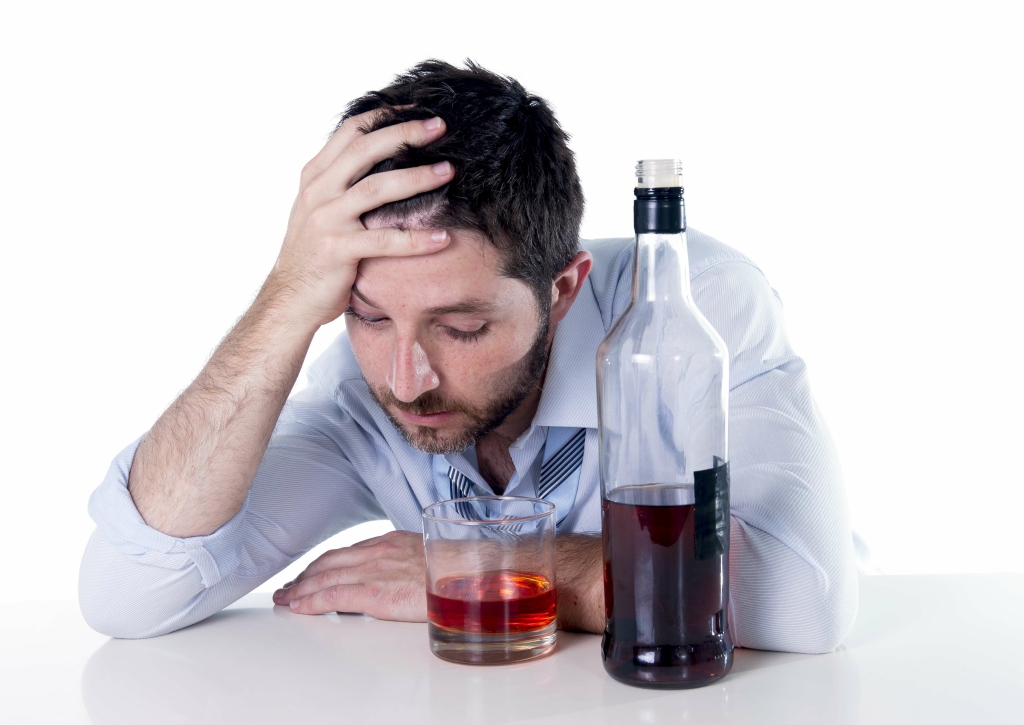
The first stage of intoxication is often referred to as subclinical because the effects of alcohol are not yet apparent through observable behavior. At this stage, the blood alcohol concentration (BAC) is typically below 0.03%. Individuals may feel a slight sense of relaxation or reduced inhibition but are generally able to function normally. Decision-making skills and reaction times may be slightly impaired, but these effects are subtle and may not be noticeable to the individual or others. Cannabis intoxication sometimes presents to the emergency setting after consumption (either inhalational or oral) of high amounts of cannabis.
Alcoholism Resources and Programs
What may start out as social drinking can lead to alcohol dependence over time. If you find yourself stuck in a pattern of binge drinking or recreational drug abuse, the earlier you seek effective treatment for recovery, the better. When someone consumes alcohol, they may not feel the full effects for a while. Factors like age, body weight, and rate of consumption all affect the rate of intoxication. How quickly someone feels drunk depends on factors like age, sex, body size, metabolism, tolerance, whether they’ve eaten food, and if they’re consuming other drugs.